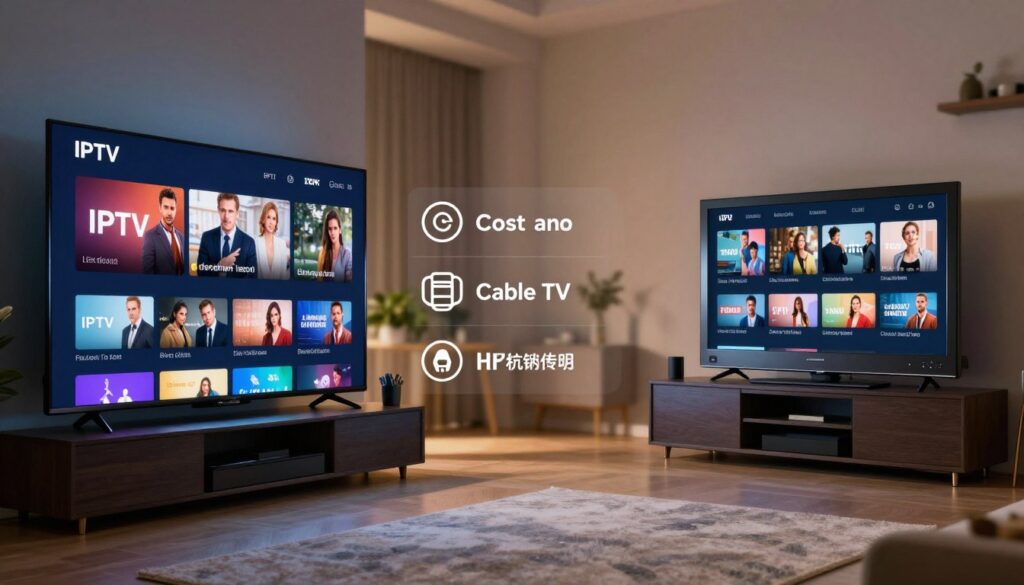
Choosing the right home entertainment setup in Canada has become a complex task. As we navigate 2026, many households are weighing the benefits of traditional broadcast services against modern digital alternatives.
Understanding the core differences between these platforms is essential for your budget. Making an informed decision ensures you get the best value for your viewing habits.
Whether you prefer the reliability of a legacy provider or the flexibility of streaming, we are here to help. Evaluating your specific needs before signing a long-term contract will save you time and money. Let us explore how these technologies shape your daily media experience.
Key Takeaways
- Traditional broadcast services offer stable connections for live sports and local news.
- Modern streaming solutions provide greater flexibility for on-demand content.
- Consider your household internet speed before switching to a digital-only plan.
- Bundling services can often lead to significant monthly savings for Canadian families.
- Always review contract terms to avoid unexpected cancellation fees.
The Evolution of Television Consumption in Canada
Watching television in Canada has evolved from a static, scheduled experience into a dynamic, on-demand journey. For generations, families gathered around the living room set at specific times to catch their favourite programs. Today, the way we consume media is vastly different, reflecting a broader change in how we interact with technology.

Shifting from Traditional Broadcast to Digital Streaming
The move away from legacy broadcast television has been a gradual but steady process. Many households have moved past the era of rabbit ears and basic cable packages to embrace the freedom of the internet. This digital transition has empowered viewers to watch what they want, whenever they choose, without being tied to a network schedule.
“The future of media is not just about the content itself, but about the seamless delivery of that content to every screen in the home.”
This shift represents a fundamental change in the Canadian television landscape. By moving toward streaming, viewers gain access to global libraries that were previously unavailable. It is a transformation that prioritizes user convenience and personal choice over traditional programming blocks.
The Current State of Canadian Telecommunications Infrastructure
A successful digital transition relies heavily on the strength of our national networks. Canada has invested significantly in expanding high-speed fibre and 5G connectivity to reach both urban centres and rural communities. This robust infrastructure is the backbone that makes modern streaming possible for millions of users.
Without reliable high-speed internet, the high-definition quality we expect from Canadian television would be impossible to maintain. As the demand for data grows, telecommunications providers continue to upgrade their systems to handle the increased traffic. This ongoing development ensures that the gap between legacy broadcast television and modern digital services continues to narrow, providing a more consistent experience for everyone.
Understanding the Mechanics of IPTV and Cable TV
Whether you rely on broadcast television or digital streams, the delivery method significantly impacts your viewing experience. Many Canadian households are curious about the technical differences between traditional cable and modern streaming services. By looking behind the scenes, we can better appreciate how these signals reach our living rooms.
How Cable TV Delivers Content via Coaxial Networks
Traditional cable television operates through a dedicated physical infrastructure known as a coaxial network. This system uses shielded copper cables to transmit data directly from the provider to your home. Because this network is separate from your general internet traffic, it offers a high level of consistency.
The signal remains stable because it does not compete with other online activities like gaming or large file downloads. This dedicated bandwidth ensures that your favorite shows arrive without the buffering often associated with shared networks. It remains a reliable choice for those who prioritize a steady, uninterrupted signal.

The Role of Internet Protocol Television in Modern Households
In contrast, Internet Protocol Television (IPTV) delivers content using the same data packets that power your web browsing. This method relies on your existing high-speed internet connection to stream video directly to your devices. For many Canadian households, this provides a level of flexibility that traditional systems simply cannot match.
Because IPTV functions over the internet, it allows for interactive features and on-demand libraries that go beyond standard broadcast television schedules. However, this convenience means your viewing quality depends heavily on your home network’s speed and stability. Understanding this distinction helps you decide which technology best fits your daily entertainment needs.
Advantages of Choosing Cable TV in 2026
For many viewers across Canada, the reliability of cable remains a cornerstone of their home entertainment setup. While the digital landscape is shifting, traditional television services provide a level of stability that many households still prioritize for their daily viewing habits.

Reliability and Dedicated Bandwidth for Consistent Quality
One of the primary reasons subscribers stick with cable is the use of dedicated internet bandwidth. Unlike streaming services that compete with your other online activities, cable signals travel through a separate path. This ensures that your high-definition picture remains crisp and clear without the frustration of buffering.
You can enjoy your favourite programs even when other family members are gaming or working from home. This consistent quality is a major benefit for those who want a stress-free entertainment experience. You do not have to worry about network congestion affecting your evening news or movie night.
Access to Local Canadian News and Regional Sports Programming
Beyond technical stability, cable remains the best way to stay connected with your community. It provides seamless access to Canadian news, ensuring you stay informed about local events and regional updates that are often missing from global streaming platforms.
Furthermore, cable is often the only reliable way to watch regional sports. Whether you are a fan of local hockey or regional soccer leagues, cable packages typically include the specific channels needed to catch every game live. This makes it an essential service for dedicated sports enthusiasts across the country.
| Feature | Cable TV | Streaming Services |
|---|---|---|
| Signal Stability | High (Dedicated) | Variable (Shared) |
| Local News | Comprehensive | Limited |
| Regional Sports | Excellent Coverage | Often Restricted |
| Buffering | None | Possible |
Disadvantages of Traditional Cable Subscriptions
Many Canadians are finding that the traditional way of watching television is becoming increasingly difficult to justify financially. While legacy services once offered the only path to premium content, the modern market has introduced significant friction for the average viewer.
Choosing a television subscription today involves more than just picking a channel lineup; it requires a careful look at hidden fees. Consumers often feel trapped by rigid service agreements that force them to pay for channels they never watch.
Rising Costs and Bundling Requirements
The primary frustration for many households remains the steady climb of monthly bills. Providers frequently bundle essential services with unnecessary add-ons, which artificially inflates your total streaming costs and overall monthly expenditure.
“The era of the ‘all-in-one’ cable bundle is fading as consumers demand more control over their digital wallets and content choices.”
This bundling model often prevents users from customizing their experience to fit their actual viewing habits. When you are forced to pay for a massive package just to access a few local stations, the value proposition of a standard television subscription diminishes rapidly.
Hardware Limitations and Installation Constraints
Beyond the financial burden, the physical requirements of legacy systems can be quite cumbersome. Most providers mandate the use of proprietary television hardware, such as bulky set-top boxes that require professional installation and constant maintenance.
These devices often lack the sleek, intuitive interfaces found in modern digital alternatives. Furthermore, the need for specialized wiring and technician visits creates unnecessary logistical hurdles for renters and homeowners alike.
Ultimately, the reliance on outdated television hardware limits your ability to move content between rooms or devices seamlessly. As streaming costs continue to be a point of comparison, the inconvenience of fixed equipment makes traditional cable feel like a relic of the past.
The Growing Appeal of IPTV Services
Digital television has evolved rapidly, offering Canadians unprecedented control over their viewing habits and monthly expenses. Many households are now moving toward streaming services to escape the limitations of legacy broadcast systems. This shift represents a fundamental change in how we consume media across the country.
Flexibility and On-Demand Content Libraries
One of the primary drivers behind this trend is the sheer flexibility offered by modern platforms. Unlike traditional cable, these services allow you to curate your own entertainment library based on your specific interests. You are no longer forced to pay for hundreds of channels that you never actually watch.
Instead, you can access vast on-demand libraries at any time of the day. This on-demand model ensures that your favorite programs are always ready when you are. It empowers viewers to build a personalized experience that fits their unique lifestyle perfectly.
Cost-effectiveness for Cord-Cutters
The movement toward cord-cutting has gained significant momentum as Canadians look for smarter ways to manage their household budgets. By moving away from rigid, expensive bundles, users can significantly reduce their monthly streaming costs. You only pay for the specific platforms that provide the content you truly enjoy.
This approach provides a clear financial advantage for those who want to avoid unnecessary fees. Strategic selection of your subscriptions allows you to maintain high-quality entertainment without overspending. Ultimately, the transition to these digital models offers a more sustainable and affordable path for the modern Canadian viewer.
Potential Drawbacks of IPTV Platforms
While IPTV offers a modern way to watch television, it is not without its own set of unique challenges. Many viewers find that the transition to digital platforms requires a clear understanding of the technical hurdles that can impact their daily viewing habits.
Dependence on High-Speed Internet Stability
The primary challenge for any user is the heavy reliance on internet stability. Unlike traditional broadcast signals, IPTV data travels through your home network, meaning any fluctuation in bandwidth can lead to buffering or reduced streaming quality.
If multiple devices are active on your network simultaneously, your television feed may suffer from lag. It is essential to ensure your home infrastructure can handle the high data demands of modern streaming services to maintain a smooth experience.
“The future of television is undoubtedly digital, but the quality of that experience remains tethered to the robustness of the consumer’s local network infrastructure.”
— Digital Media Analyst
Navigating Legal and Authorized Service Providers
Beyond technical performance, users must be diligent when selecting their providers. The digital landscape is filled with unauthorized platforms that may pose security risks or offer unreliable service.
Always prioritize authorized providers to ensure you are accessing content legally and safely. Using official channels protects your personal data and guarantees that you receive the high-quality support you expect from a professional service.
| Connection Type | Stability Level | Streaming Quality |
|---|---|---|
| Fiber Optic | Excellent | 4K Ultra HD |
| Cable Broadband | Good | 1080p HD |
| DSL/Satellite | Variable | Standard Definition |
By choosing reputable streaming services, you avoid the common pitfalls associated with “grey market” options. Investing in a stable connection and a legitimate subscription ensures your home entertainment remains both consistent and secure.
Comparing IPTV and Cable TV Performance
Your daily viewing experience depends heavily on the underlying technology powering your television signal. Whether you prioritize crisp visuals or instant channel switching, understanding the technical differences between IPTV and Cable TV is essential for any Canadian household.
Each delivery method offers a unique approach to content distribution. By examining these systems, you can determine which setup aligns best with your personal entertainment habits.
Picture Quality and Latency Considerations
Cable television typically relies on a dedicated coaxial network, which provides a highly stable signal. This infrastructure often results in consistent streaming quality, as the bandwidth is reserved specifically for your television service rather than shared with other household data needs.
In contrast, IPTV relies on your home internet connection to deliver content. While modern high-speed fibre connections in Canada are excellent, your streaming quality may fluctuate if other devices are consuming heavy bandwidth simultaneously.
Latency, or the delay between a live event and its appearance on your screen, is another critical factor. Cable systems generally offer lower latency, which is a significant advantage for live sports fans who want to avoid hearing their neighbours cheer before they see the goal.
User Interface and Ease of Navigation
The physical television hardware you use plays a major role in how you interact with your content. Traditional cable boxes often feature a standardized, remote-controlled interface that many viewers find intuitive and reliable for channel surfing.
Conversely, IPTV platforms frequently utilize modern television hardware like streaming sticks, smart TVs, or dedicated apps. These interfaces are often more dynamic, offering personalized recommendations and advanced search features that mimic popular on-demand platforms.
Ultimately, the choice between IPTV and Cable TV comes down to your preference for simplicity versus flexibility. While cable offers a predictable, hardware-focused experience, IPTV provides a modern, app-driven environment that adapts to your viewing patterns.
Key Factors for Canadian Viewers to Consider
Before you commit to a new entertainment plan, it is vital to assess your specific technical and financial needs. Many Canadian households are currently re-evaluating how they consume media in an increasingly digital landscape. Taking a moment to audit your current habits will save you time and money in the long run.
Evaluating Your Household Internet Capacity
The foundation of any modern viewing experience is your connection speed. You must ensure your internet bandwidth can handle high-definition or 4K streaming without constant buffering. If multiple people in your home use devices simultaneously, your network needs extra capacity to maintain consistent performance.
Reliable internet stability is just as important as raw speed. Frequent drops in connectivity can ruin your viewing experience, especially during live sports or major events. We recommend running a speed test during peak evening hours to see if your current provider meets the demands of modern streaming services.
Balancing Content Preferences with Monthly Budgets
Deciding between traditional cable and cord-cutting requires a clear look at your monthly expenses. While cable offers a bundled simplicity, streaming often allows for a more tailored approach to your entertainment budget. You should list the specific channels or shows you watch most frequently to see if a specialized streaming service covers your needs for less.
Many Canadian households find that mixing a basic internet plan with a few targeted subscriptions provides the best value. This strategy of strategic cord-cutting helps you avoid paying for hundreds of channels you never actually watch. Always remember to factor in the cost of high-speed data plans when calculating your total monthly investment in internet stability and internet bandwidth.
Future Trends in Canadian Television Distribution
Future developments in the Canadian television sector promise to blend traditional reliability with modern digital convenience. As technology advances, the line between cable and internet-based viewing continues to blur, creating a more unified experience for the average viewer.
The Integration of Hybrid Streaming and Broadcast Models
We are witnessing a significant digital transition where service providers combine the best of both worlds. Many companies now offer set-top boxes that house both live broadcast channels and popular streaming apps in one interface.
This hybrid approach ensures that you do not have to switch between different inputs or devices to find your content. Key benefits of this evolution include:
- Seamless switching between live regional sports and on-demand movies.
- Unified search functions that scan both cable listings and streaming libraries.
- Improved hardware that supports 4K streaming alongside traditional high-definition broadcasts.
Regulatory Changes Impacting Canadian Content Access
The regulatory environment is also evolving to keep pace with these technological shifts. The CRTC is actively updating policies to ensure that Canadian television remains accessible and competitive in a global market.
These changes aim to protect local creators while ensuring that viewers have easy access to diverse programming. The following table outlines what households can expect in the coming years regarding service delivery and content availability:
| Trend | Impact on Viewers | Focus Area |
|---|---|---|
| Hybrid Platforms | Increased convenience | Digital transition |
| Local Content Mandates | Better discovery | Canadian programming |
| Sports Rights | Flexible access | Regional sports |
Ultimately, these shifts are designed to provide a more personalized viewing experience. By staying informed about these trends, you can ensure your home setup remains ready for the next generation of media distribution.
Conclusion
Selecting the right television subscription depends on your unique viewing habits and your home internet setup. You might prioritize the rock-solid reliability of traditional providers like Bell or Rogers. These services often provide seamless access to local Canadian news that keeps you connected to your community.
Others may prefer the freedom found in modern streaming platforms. These digital services offer a personalized experience that fits a tighter monthly budget. You gain control over your content library while avoiding long-term contracts.
Take a moment to review your current data usage and your favourite programs. Your choice shapes how you experience entertainment every single day. We invite you to share your thoughts on which service works best for your household needs.
FAQ
What are the primary technical differences between Cable TV and IPTV in 2026?
The main difference lies in the delivery method. Traditional Cable TV, offered by providers like Rogers or Shaw, utilizes a dedicated coaxial network to send signals to your home. In contrast, IPTV (Internet Protocol Television) delivers content via the same high-speed internet connection you use for browsing. This means IPTV relies on packet-based delivery, making it highly flexible but dependent on your home’s internet capacity and stability.
Why do many Canadians still prefer traditional Cable TV subscriptions?
Reliability is a major factor. Because cable uses dedicated bandwidth, your picture quality won’t flicker if someone else in the house starts a heavy download. Furthermore, for viewers who prioritize local Canadian news on CTV or CBC, and regional sports programming on Sportsnet or TSN, cable often remains the most straightforward way to access live, low-latency broadcasts without the “spoiler” delays sometimes found on streaming apps.
Is IPTV a more cost-effective choice for “cord-cutters”?
Generally, yes. Many IPTV services and streaming platforms allow for much greater flexibility, letting you avoid the expensive bundling requirements and hardware limitations of legacy cable. By choosing only the on-demand content libraries you actually watch, you can often lower your monthly budget compared to the rising costs of traditional set-top box rentals and large, unwanted channel packages.
What are the potential drawbacks of switching entirely to an IPTV platform?
The most significant hurdle is your dependence on high-speed internet stability. If your Bell Fibe or Telus connection fluctuates, your stream may buffer or drop in quality. Additionally, viewers must be careful to navigate the market for authorized service providers. While there are many legitimate options like Netflix, Disney+, and RiverTV, using unauthorized services can lead to unreliable feeds and potential legal concerns.
How does the user interface compare between these two television services?
IPTV platforms typically offer a more modern user interface with advanced search features and personalized recommendations, similar to what you see on Apple TV. Traditional Cable TV interfaces have improved with services like Ignite TV, but they can still feel a bit more rigid. Ultimately, the choice depends on whether you prefer a classic channel-surfing experience or a more app-driven, on-demand navigation style.
How should I evaluate my household’s needs before choosing a provider?
Start by assessing your household internet capacity. If you have multiple people streaming in 4K or gaming simultaneously, you’ll need a very robust plan to support IPTV. You should also balance your content preferences—if you can’t live without live NHL games or local morning news, ensure your chosen IPTV service or cable package specifically includes those Canadian telecommunications staples.
What role does the CRTC play in the future of Canadian television distribution?
The CRTC (Canadian Radio-television and Telecommunications Commission) is instrumental in managing regulatory changes that impact how Canadian content is funded and discovered. As we move toward hybrid streaming and broadcast models, these regulations ensure that even as the digital streaming landscape evolves, Canadian creators and local news outlets remain a visible and viable part of our home entertainment ecosystem.