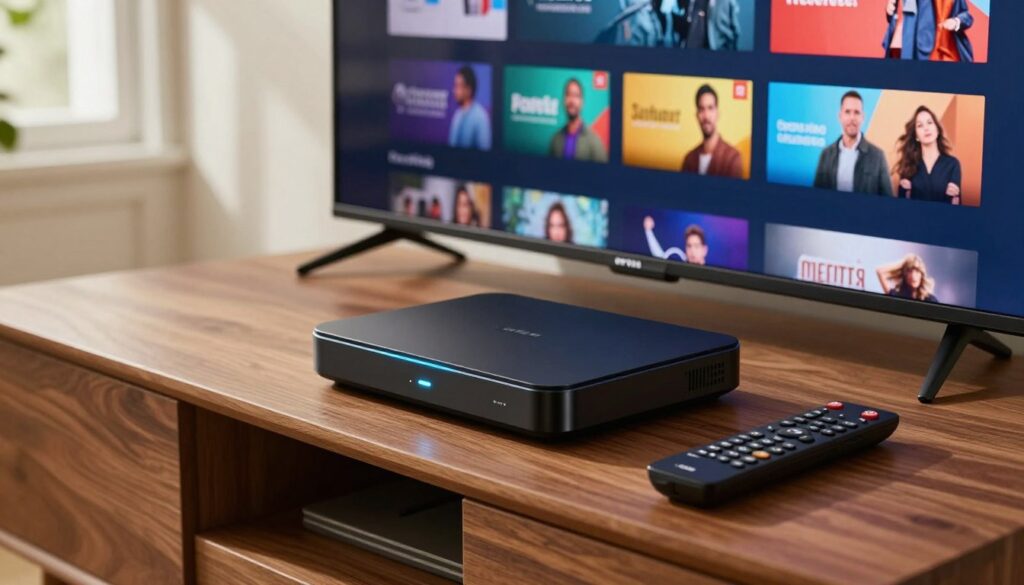
Are you tired of rigid cable schedules and expensive monthly bills? Many households are now turning to an IPTV box to modernize their home entertainment experience. This compact device acts as a digital gateway, allowing you to access content directly through your high-speed internet connection.
By bridging the gap between traditional broadcast methods and flexible, web-based delivery, these units have changed the landscape of Canadian streaming. Instead of relying on satellite signals, your television receives data packets that are decoded in real-time. This shift offers viewers unmatched flexibility and a vast library of on-demand content.
Understanding how this technology functions is the first step toward taking control of your media consumption. Whether you are a cord-cutter or just looking for more variety, an IPTV box provides a seamless way to enjoy your favourite shows across the Great White North.
Key Takeaways
- These devices utilize your home internet to deliver television content directly to your screen.
- They offer a modern alternative to traditional cable and satellite subscriptions.
- Users gain access to a wider variety of on-demand media and live channels.
- The setup process is straightforward for most tech-savvy Canadian households.
- Reliable high-speed internet is essential for a smooth and buffer-free viewing experience.
Understanding the Technology Behind the IPTV Box
If you have ever wondered how your favorite shows reach your screen without a satellite dish, you are looking at the power of internet protocol television. This technology has fundamentally changed how we access live television across Canada by moving away from rigid, physical infrastructure.

The Shift from Broadcast to Broadband
In the past, television signals relied on radio waves sent through the air or copper wires buried underground. These legacy systems were limited by physical distance and the number of channels they could carry at once. Today, broadband internet has replaced these older methods, offering a much more flexible way to consume digital media.
By using your existing high-speed internet connection, you can now receive high-quality video content on demand. This shift allows for a more personalized experience where you are no longer tied to a strict broadcast schedule. It is a significant upgrade in both convenience and accessibility for Canadian households.
How Data Packets Deliver Live Television
When you watch a program, your device does not receive a single, continuous stream of video. Instead, the digital media is broken down into tiny, manageable units known as data packets. These packets travel independently across the internet, taking the fastest available route to reach your home.
Once they arrive at your IPTV box, the device reassembles these data packets in the correct order to display the image on your screen. This process happens in milliseconds, ensuring that your live television experience remains smooth and uninterrupted. The efficiency of this method is why modern streaming feels so seamless compared to older, analog technologies.
| Feature | Traditional Cable | IPTV Technology |
|---|---|---|
| Delivery Method | Coaxial Cable | Broadband Internet |
| Signal Type | Analog/Digital Broadcast | Data Packets |
| Flexibility | Fixed Schedule | On-Demand Access |
| Infrastructure | Dedicated Lines | Shared Network |
How an IPTV Box Works in the Canadian Digital Landscape
The vast geography of Canada presents unique challenges for delivering high-quality digital media to your home. Because our country spans such a massive area, the infrastructure supporting internet protocol television must be incredibly robust to maintain a steady stream. An IPTV box acts as the final destination in a complex journey that begins at a remote data center.

The Role of Content Delivery Networks
To overcome the distance between servers and your living room, providers utilize content delivery networks. These networks consist of geographically distributed servers that store copies of popular shows and live feeds closer to your location. By reducing the physical distance data must travel, these networks ensure a smoother viewing experience.
Key benefits of these networks include:
- Reduced latency for live sports and news broadcasts.
- Minimized buffering during peak evening hours.
- Improved stability across different provinces and territories.
Decoding Signals for Your Television Screen
Once the data reaches your home, the IPTV box performs the heavy lifting of signal processing. The incoming stream arrives as compressed data packets that your television cannot read on its own. Your device acts as a specialized translator, converting these digital packets into the high-definition video and audio you see on your screen.
This process happens in real-time, requiring significant processing power to maintain synchronization. Without this decoding step, the raw data would remain unintelligible to your display. Efficiency is vital here, as any delay in decoding can lead to noticeable lag or audio-visual desynchronization.
Interaction Between Servers and Client Devices
The final piece of the puzzle is the constant handshake between the remote server and your client device. Every time you change a channel or select a movie, your device sends a request back to the server. This internet protocol television system must verify your subscription and route the correct stream to your specific IP address instantly.
This bidirectional communication is what makes the Canadian digital landscape so dynamic for viewers. By maintaining a persistent connection, the server can adjust the stream quality based on your current network speed. This ensures that your content delivery remains consistent, even if your internet connection fluctuates during a storm or high-traffic periods.
Essential Hardware and Network Requirements
Your experience with digital content depends heavily on the quality of your streaming hardware and the strength of your internet connection. While many devices look similar on the outside, the internal components dictate how smoothly your programs play. Investing in the right setup ensures that your entertainment remains uninterrupted and high-quality.

Choosing the Right Streaming Hardware
Selecting a reliable media player is the first step toward a frustration-free viewing experience. You should look for devices that support modern codecs and offer regular software updates. A well-built device acts as the bridge between your service provider and your television screen.
Evaluating Processor Speed and RAM
The processor is the brain of your device, responsible for decoding video signals in real-time. If you plan on watching high-definition or 4K streaming content, a faster processor is essential to prevent lag. Similarly, sufficient RAM allows the device to handle multiple background tasks without stuttering.
Connectivity Options: Ethernet vs. Wi-Fi
While Wi-Fi offers the convenience of a wireless setup, it can be susceptible to interference from other household electronics. For the most stable experience, a wired Ethernet connection is always recommended. Hardwiring your device ensures that data packets reach your screen with minimal latency, which is vital for live broadcasts.
The Importance of High-Speed Internet in Canada
In Canada, the vast geography makes robust content delivery a challenge for some service providers. To maintain consistent 4K streaming quality, you need a stable high-speed internet connection that exceeds the minimum requirements. Relying on a slow or unstable connection often leads to buffering, regardless of how powerful your hardware might be.
| Feature | Entry-Level Player | Premium Media Player |
|---|---|---|
| Processor Speed | Basic Quad-Core | High-Performance Octa-Core |
| RAM Capacity | 1GB – 2GB | 4GB or Higher |
| Network Support | Wi-Fi Only | Gigabit Ethernet & Wi-Fi 6 |
| Streaming Quality | 1080p HD | 4K HDR & Ultra HD |
Legal Considerations for IPTV Users in Canada
Streaming your favorite shows in Canada is simple, but staying on the right side of the law is a responsibility every viewer should take seriously. Navigating the digital landscape requires a basic understanding of how content reaches your screen and who holds the rights to distribute it. By making informed choices, you can enjoy high-quality entertainment while supporting the creators you love.
Distinguishing Between Authorized and Unauthorized Services
When you select an IPTV service, it is vital to verify that the provider operates with proper licensing. Authorized platforms typically offer clear subscription models, professional customer support, and official applications available on major app stores. In contrast, unauthorized services often promise access to premium content at suspiciously low prices or through unofficial, sideloaded software.
You can usually identify a legitimate provider by checking if they have partnerships with major broadcasters or production studios. If a service seems too good to be true, it likely lacks the necessary distribution rights. Choosing legal streaming options ensures that your viewing experience remains uninterrupted and free from the risks associated with illicit platforms.
Copyright Laws and Digital Piracy in Canada
The framework of Canadian copyright law is designed to protect the intellectual property of artists, writers, and producers. Accessing content through unauthorized channels often constitutes a violation of these protections, which can lead to significant legal and technical consequences. Pirated streams not only undermine the creative industry but also expose users to unreliable connections and potential malware.
It is important to remember that the law applies to the consumption of digital media just as it does to physical goods. By sticking to authorized providers, you contribute to a healthy ecosystem where content creators are fairly compensated for their work. This commitment to legal streaming helps maintain the quality and variety of programming available to all Canadians.
Protecting Your Privacy While Streaming
Beyond legal compliance, safeguarding your personal data is a critical part of your digital hygiene. Many unauthorized providers may track your viewing habits or collect sensitive information without your consent. To protect your privacy, always use reputable, well-known IPTV service providers that prioritize user security and data encryption.
You should also consider using a secure network connection to keep your online activity private. Taking proactive steps to secure your home network and choosing services that respect your data rights will provide you with a safer, more enjoyable experience. Staying informed about Canadian copyright law and privacy best practices is the best way to enjoy modern television with complete peace of mind.
Setting Up Your IPTV Device for Optimal Performance
Unlocking the full potential of your home entertainment system starts with a proper setup. Whether you are a tech enthusiast or a casual viewer, a well-configured IPTV box provides a superior viewing experience. Taking the time to calibrate your device ensures that you avoid common pitfalls and enjoy smooth, uninterrupted content.
Initial Configuration and Network Pairing
The first phase of your IPTV setup involves connecting your hardware to your home network. For the most stable connection, we recommend using a wired Ethernet cable directly from your router to your device. If a wired connection is not possible, ensure your Wi-Fi signal is strong and free from interference.
Once connected, follow the on-screen prompts to register your device with your service provider. This initial handshake allows the server to recognize your hardware and authorize your subscription. Always ensure your internet speed meets the minimum requirements for high-definition content to prevent early frustration.
Installing Necessary Applications and Middleware
After your network is active, you will need to install the specific applications required by your provider. Most modern devices function as a versatile media player, allowing you to download apps directly from an integrated store. You may also need to configure specific middleware settings provided by your service to access your channel list.
It is vital to keep your software current to maintain security and performance. Regularly checking for firmware updates will help your device run efficiently and fix minor bugs. These updates often include patches that improve how your streaming hardware interacts with new content formats.
Optimizing Settings for High-Definition Streaming
To achieve the best streaming quality, navigate to the display settings menu on your device. Ensure that the output resolution is set to match your television’s native capability, such as 1080p or 4K. Adjusting the frame rate settings can also make motion appear much smoother during live sports or fast-paced action movies.
Beyond basic video settings, you can enhance your experience through smart home integration. Many modern devices allow you to link your streaming setup with voice assistants or automated lighting systems. This creates a cohesive environment where your home responds to your entertainment needs with simple voice commands.
By fine-tuning these settings, you ensure that your IPTV box delivers the crisp, clear picture you expect. Consistent maintenance of your streaming hardware will keep your system performing at its peak for years to come.
Comparing IPTV with Traditional Cable and Satellite Services
The landscape of home entertainment in Canada is shifting rapidly as viewers weigh the benefits of new technology against established broadcast standards. Many households are now exploring how a modern IPTV service compares to the legacy systems they have used for decades. Understanding these differences is essential for making an informed decision about your home media setup.
Cost Efficiency and Subscription Flexibility
One of the primary drivers for switching to internet-based television is the potential for significant cost savings. Traditional cable and satellite providers often require long-term contracts and expensive equipment rentals that inflate your monthly bill. In contrast, many digital platforms offer flexible, month-to-month subscriptions that allow you to cancel or change your plan without hidden penalties.
This model empowers Canadian consumers to pay only for the channels or content they actually watch. By removing the need for proprietary hardware, you can often use devices you already own, such as smart TVs or streaming sticks. This shift toward subscription flexibility makes digital television a highly attractive option for budget-conscious families.
Content Variety and On-Demand Capabilities
Beyond pricing, the sheer volume of content available through digital platforms often surpasses what traditional providers offer. While cable and satellite rely on scheduled programming, an IPTV service provides extensive on-demand libraries. This allows you to watch your favorite shows and movies whenever it fits your schedule, rather than waiting for a specific broadcast time.
Furthermore, these platforms often provide access to a global range of content that is not restricted by regional broadcast limitations. When you engage in legal streaming, you gain the freedom to explore diverse international programming. This level of variety ensures that every member of the household finds something engaging to watch.
Reliability and Service Quality Differences
Reliability remains a major point of comparison for many Canadians, especially those living in areas with varying weather conditions. Satellite television is notoriously susceptible to signal loss during heavy snow or rainstorms. Because digital television relies on your broadband connection, it is generally more consistent, provided you have a stable internet plan.
However, users must be aware that streaming quality is directly tied to the speed and stability of their home network. While you might occasionally encounter buffering issues during peak usage hours, these are often resolved by upgrading your internet bandwidth. The following table highlights the core differences between these three popular delivery methods.
| Feature | Traditional Cable | Satellite TV | IPTV |
|---|---|---|---|
| Delivery Method | Coaxial Cable | Satellite Dish | Broadband Internet |
| Contract Terms | Long-term | Long-term | Flexible/No-contract |
| On-Demand Access | Limited | Limited | Extensive |
| Weather Impact | None | High | Low |
Troubleshooting Common Connectivity Issues
Technical hiccups are a normal part of modern streaming, but they are usually simple to resolve. Whether you are watching live sports or your favourite series, a smooth experience depends on a stable connection. Taking a proactive approach to your home network can save you time and frustration.
Addressing Buffering and Latency Problems
When you experience frequent buffering issues, it often means your device is struggling to receive data packets in a timely manner. This delay is usually caused by network congestion or insufficient bandwidth. To ensure a seamless stream, verify that you have a reliable high-speed internet connection that meets the minimum requirements for your service.
If the problem persists, try connecting your device directly to your router using an Ethernet cable instead of relying on Wi-Fi. This simple change often eliminates signal interference and stabilizes your connection. Consistent speeds are the key to high-quality playback without interruptions.
Managing Firmware Updates and Software Glitches
Keeping your device software current is essential for optimal performance. Manufacturers frequently release firmware updates to patch bugs and improve overall system stability. Ignoring these updates can lead to unexpected software glitches that disrupt your viewing experience.
Check your device settings menu regularly to see if a new version is available for download. If your box seems sluggish, a quick reboot after an update often clears out temporary cache files. Regular maintenance ensures your hardware remains compatible with the latest streaming protocols.
Resolving Network Authentication Errors
Sometimes, your device may fail to connect to the service provider due to an authentication error. This often happens during the initial IPTV setup or after a network change. Double-check that your login credentials are entered correctly and that your subscription is active.
If the error remains, try power-cycling your router and your streaming box by unplugging them for thirty seconds. This forces the devices to re-establish a fresh handshake with your internet service provider. Patience is important during this process, as it may take a moment for the network to fully sync again.
Future Trends in Canadian Streaming Technology
As we look toward the horizon, several key trends are poised to redefine the Canadian digital landscape. The way we consume media is shifting rapidly, driven by consumer demand for higher quality and more intuitive interfaces. These advancements will fundamentally change the future of Canadian streaming for households across the country.
The Rise of 4K and HDR Content
High-definition video is quickly becoming the baseline expectation for modern viewers. We are seeing a significant increase in the availability of 4K streaming, which offers four times the resolution of standard HD. This shift ensures that viewers enjoy sharper images and more vibrant colours through HDR technology.
As internet infrastructure improves, these high-bandwidth formats will become standard for live sports and cinematic releases. Enhanced visual fidelity is no longer a luxury but a core component of the modern home theatre experience.
Integration with Smart Home Ecosystems
The next phase of home entertainment involves seamless smart home integration. Your television will soon act as a central hub, communicating directly with lighting, sound systems, and security devices. Imagine your living room lights dimming automatically the moment you start a movie.
This connectivity creates a more immersive environment for the user. By linking streaming devices with other IoT hardware, the barrier between the digital content and your physical space continues to shrink.
The Evolution of Personalized Viewing Experiences
Advancements in data analytics are allowing platforms to offer highly tailored content recommendations. Future interfaces will likely predict what you want to watch before you even start searching. This level of personalization makes discovering new shows and movies easier than ever before.
While these features improve convenience, they also operate within the framework of Canadian copyright law to ensure content creators are protected. Developers are focusing on user-centric design to ensure that these sophisticated tools remain accessible to everyone. Personalization is truly the next frontier in how we engage with our favourite digital media.
Conclusion
Modern home entertainment relies on your ability to adapt to new technology. The IPTV box serves as a gateway to a vast world of content tailored to your specific interests.
You now possess the knowledge to navigate the Canadian streaming environment with confidence. Selecting authorized services ensures that your viewing habits remain secure and high in quality.
Regular updates to your device software keep your system running at peak performance. Staying current with industry shifts allows you to enjoy the latest features like 4K resolution and smart home integration.
Your journey into digital media is just beginning. Explore new platforms and customize your interface to match your unique preferences. Share your experiences with friends or family to help them discover the benefits of a modern setup.
Keep your network connection stable to maintain the best possible picture quality. Enjoy the freedom that comes with controlling your own media library and live broadcast schedule.
FAQ
What exactly is an IPTV box and how does it modernize my home entertainment?
An IPTV box acts as a powerful gateway that bridges the gap between traditional broadcast methods and modern internet-based delivery. Instead of receiving signals through a coaxial cable or satellite dish, these devices—like the NVIDIA Shield or Amazon Fire TV Cube—use your broadband connection to stream live television and on-demand content directly to your screen, offering a much more flexible and integrated viewing experience.
How does the technology differ from the traditional cable or satellite services I’m used to?
The primary difference lies in how the media reaches you. While legacy systems rely on a continuous stream of radio frequency signals, IPTV utilizes broadband-based internet protocol. Your content is broken down into small data packets that travel across the web. This architecture is far more efficient, allowing for features like time-shifting and vast on-demand libraries that traditional “linear” broadcasting simply can’t match.
Why are Content Delivery Networks (CDNs) so important for Canadian viewers?
Given Canada’s massive geography, Content Delivery Networks are essential for maintaining a stable signal. CDNs are a system of distributed servers that store copies of content closer to the end-user. When you initiate a “handshake” between your device and the server, the CDN ensures the data packets take the shortest route possible to your home in Toronto, Vancouver, or Halifax, significantly reducing latency and lag.
What are the minimum hardware requirements for a smooth streaming experience?
To handle high-performance tasks and 4K streaming, you should look for a device with a robust processor and at least 2GB to 4GB of RAM. While Wi-Fi is convenient, we always recommend an Ethernet connection for maximum stability. A reliable high-speed internet plan is also non-negotiable to avoid the dreaded spinning wheel, especially when watching high-bitrate HDR content.
Is using an IPTV service legal in Canada?
Yes, provided you are using authorized services that have the rights to distribute the content. Major platforms like Crave, CBC Gem, and Sportsnet+ are all legal forms of IPTV. However, Canadian copyright laws are very strict regarding unauthorized providers that offer pirated streams. To protect your privacy and stay on the right side of the law, it is always best to stick with verified, reputable applications.
How do I set up my device for the best possible picture quality?
Start with the initial network pairing and ensure your device firmware is fully updated. You may need to install specific middleware applications to access your service’s interface. Within the settings menu, optimize your output for High-Definition or 4K, and ensure your refresh rate matches your television’s capabilities for a seamless, cinematic feel.
What should I do if I encounter buffering or network authentication errors?
If you experience buffering, first check your local network congestion and run a speed test. Resolving network authentication errors often requires a simple reboot of your router and the IPTV box to refresh the handshake with the server. Regularly clearing the cache in your streaming apps and staying on top of software updates can also prevent most common glitches.
Can I integrate my IPTV setup into a broader smart home ecosystem?
Absolutely! Modern streaming devices are designed for smart home integration. You can often control your IPTV experience using voice commands via Google Assistant or Amazon Alexa. As the industry evolves, we are seeing even more personalized viewing experiences where your home automation—like dimming the lights when a movie starts—works in perfect harmony with your media player.