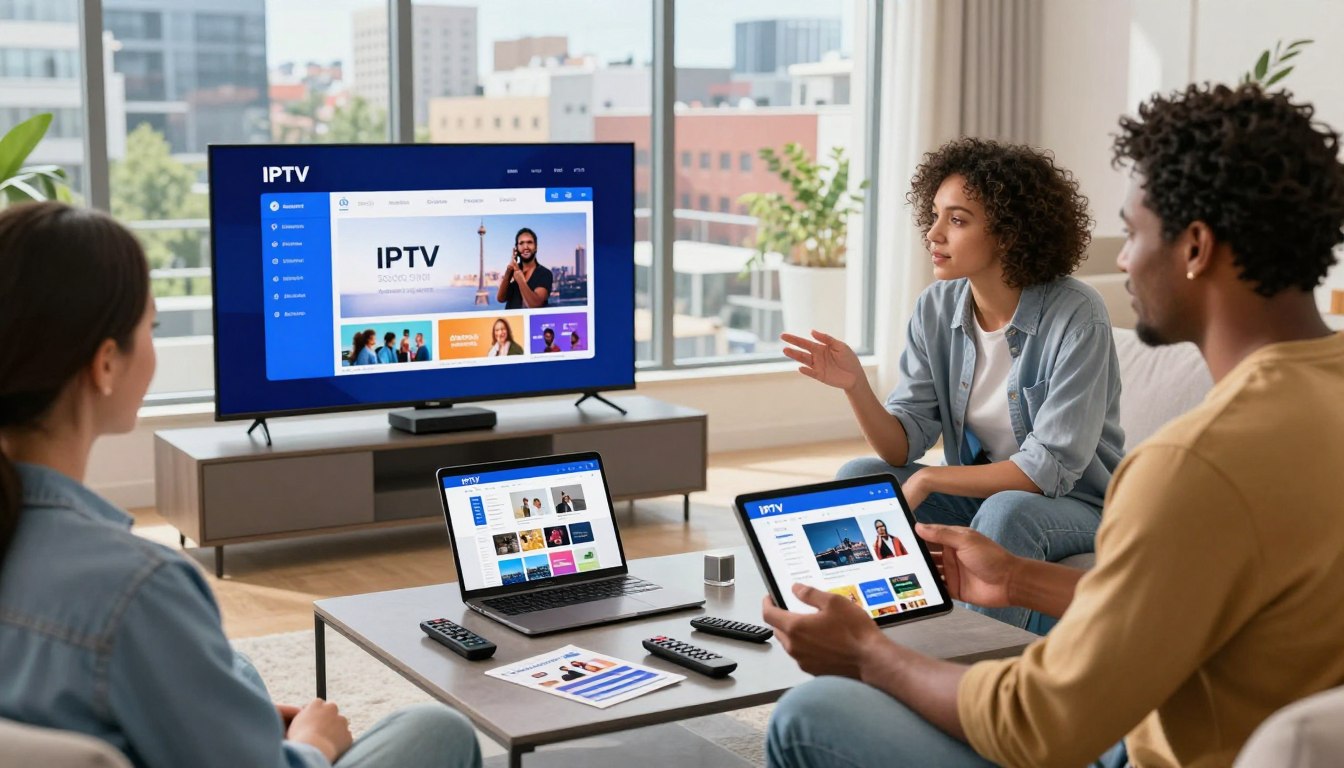

Traditional television is no longer the only way to watch live channels and on-demand content. IPTV (Internet Protocol Television) is a technology that delivers television programming over an internet connection instead of traditional broadcast, satellite, or cable networks. This makes it possible to watch live TV, movies, shows, sports, and other content through compatible devices connected to the internet.
But what exactly is IPTV, and how does it work? In simple terms, IPTV sends video content as data over an IP network, allowing your device to receive and play the content through an internet connection. Depending on the service, viewers can access live television, on-demand programs, and catch-up content using a smart TV, streaming device, computer, smartphone, or other compatible equipment.Many Canadians are moving away from traditional cable subscriptions in favour of modern streaming solutions. If you have ever wondered about the technology behind your favourite shows, you have likely encountered the term IPTV explained as a digital alternative for home entertainment.
This guide helps you navigate the landscape of digital streaming within Canada. We will cover essential setup requirements, legal considerations, and the practical benefits of choosing this flexible viewing method. Understanding these systems ensures you make an informed decision for your household.
Key Takeaways
- Television signals are transmitted over your home internet connection.
- The technology offers greater flexibility compared to traditional cable providers.
- Users must ensure they access content through legitimate and licensed services.
- A stable, high-speed internet connection is vital for a smooth viewing experience.
- This guide provides a clear overview of setup needs and common features for Canadian households.
What Is IPTV?
Modern television technology relies on a sophisticated delivery system known as Internet Protocol television. This method moves away from the rigid structures of the past, offering a more dynamic way to watch your favorite content.
The meaning of Internet Protocol television
At its core, the IPTV meaning refers to the delivery of television content using the same internet networks that power your computer and smartphone. Instead of receiving signals through a dedicated cable line or a satellite dish, your data arrives as small digital packets.
This process allows for a more interactive experience. You are no longer limited to a fixed broadcast schedule, as the system can pull specific data on demand.

How IPTV differs from traditional cable and satellite TV
Traditional television relies on broadcast signals that are sent to everyone in a specific area at the same time. Cable and satellite providers use proprietary hardware to decode these signals, which often limits your flexibility.
In contrast, Internet Protocol television uses a two-way communication path. This allows the network to send only the specific content you request directly to your device.
| Feature | Traditional Cable | IPTV |
|---|---|---|
| Delivery Method | Coaxial/Satellite | Internet/Broadband |
| Content Control | Fixed Schedule | On-Demand/Interactive |
| Device Flexibility | Limited to TV | Multi-device support |
IPTV, streaming services, and over-the-top platforms compared
While many people use these terms interchangeably, there are distinct differences. Streaming services often refer to over-the-top (OTT) platforms that deliver content directly over the public internet without the need for a managed network.
IPTV is typically provided by a telecommunications company over a private, managed network. This ensures a higher level of quality control and reliability compared to standard web-based streaming.
Why an internet connection is central to IPTV
A stable and fast internet connection is the backbone of this technology. Because the IPTV meaning is tied to data transmission, any interruption in your bandwidth can lead to buffering or a drop in picture quality.
Your home network must be capable of handling high-speed data to ensure a smooth viewing experience. Without a reliable connection, the interactive features that make this technology so popular simply cannot function as intended.
How IPTV Delivers Television Over the Internet
Delivering television over the internet involves a fascinating sequence of encoding, routing, and streaming technologies. This digital journey ensures that your favorite programs reach your home with clarity and speed.

Content preparation, encoding, and compression
Before a show reaches your device, it undergoes rigorous preparation. Raw video signals are captured and converted into a digital format that is easier to transmit.
Engineers use compression algorithms to shrink the file size without sacrificing visual quality. This process is essential because it allows high-definition content to travel efficiently across the web.
Content delivery networks and internet routing
Once the video is compressed, it is distributed through a Content Delivery Network (CDN). These networks consist of servers placed in strategic locations across Canada to reduce the distance data must travel.
By using optimized internet routing, the system ensures that the video stream takes the fastest path to your home. This infrastructure is a core component of how IPTV works in the modern era.
Unicast and multicast streaming explained
IPTV uses two primary methods to send data to viewers. Unicast creates a dedicated connection between the server and a single user, which is common for on-demand content.
In contrast, multicast sends a single stream to multiple users simultaneously. This method is highly efficient for live broadcasts, as it prevents network congestion during popular events.
How an IPTV app or set-top box requests a channel
When you select a channel, your device sends a request to the provider’s server using specific protocols. The server then verifies your subscription and begins sending the data stream to your hardware.
“Technology is best when it brings people together and makes complex tasks feel simple and intuitive.”
This seamless handshake happens in milliseconds, allowing you to switch between channels almost instantly.
Adaptive bitrate streaming and changing video quality
Modern IPTV streaming relies on adaptive bitrate technology to maintain a smooth experience. The system constantly monitors your internet speed and adjusts the video quality in real-time.
If your connection slows down, the stream automatically drops to a lower resolution to prevent freezing. Once your bandwidth stabilizes, the quality increases back to high definition or 4K.
The role of buffering, latency, and bandwidth
Buffering acts as a safety net by pre-loading a small portion of the video data. This helps maintain a steady playback even if your internet connection experiences minor fluctuations.
Latency refers to the delay between the live event and the moment it appears on your screen. High bandwidth is crucial for minimizing this delay and ensuring that your IPTV streaming remains crisp and responsive.
Key IPTV Features Canadians Can Expect
Canadian viewers now enjoy a level of control over their television experience that was previously unimaginable. Modern IPTV features are designed to fit seamlessly into your busy lifestyle, offering more than just a simple broadcast feed.

Live television and electronic programme guides
At the heart of the service is live IPTV, which brings your favourite local and national channels directly to your screen via the internet. To help you navigate these options, providers include an electronic programme guide (EPG). This digital schedule allows you to browse what is airing now and what is coming up later in the week.
Video on demand and catch-up television
Beyond live broadcasts, you can access vast libraries of movies and series through video on demand (VOD). If you happen to miss a show, catch-up television lets you watch programs that aired earlier. This ensures you never fall behind on your favourite Canadian dramas or news segments.
Pause, rewind, restart, and cloud personal video recording
Interactive tools have changed how we consume media. You can pause a live broadcast to grab a snack or rewind to catch a missed line of dialogue. Many services also offer a restart function for shows already in progress, alongside cloud personal video recording (PVR) to save your content for later viewing.
High-definition, 4K, and surround-sound support
Quality remains a top priority for modern streaming. Most providers now deliver content in stunning high-definition, with many offering 4K resolution for a crisp, cinematic experience. When paired with surround-sound support, your living room transforms into a true home theatre.
“The future of television is not just about what you watch, but how you choose to interact with the content you love.”
Parental controls, profiles, and accessibility options
Managing your household’s viewing habits is easier than ever with built-in parental controls. You can create individual profiles for family members to keep recommendations organized. Furthermore, accessibility options like closed captioning and audio descriptions ensure that everyone can enjoy the service comfortably.
Multiple screens and simultaneous streaming limits
Most packages allow you to watch on several devices at once, which is perfect for busy households. However, it is important to check your provider’s specific limits on simultaneous streaming to avoid interruptions.
| Feature | Benefit | Availability |
|---|---|---|
| Cloud PVR | Save shows remotely | Standard |
| 4K Streaming | Ultra-clear visuals | Premium |
| Profiles | Personalized content | Standard |
What You Need to Use IPTV in Canada
Getting started with modern television services across Canada involves a few essential technical building blocks. To enjoy a smooth experience, you must ensure your home environment is properly equipped to handle digital streams. Understanding these IPTV requirements will help you avoid common frustrations like buffering or poor image quality.
A reliable Canadian internet connection
A stable connection is the backbone of any digital television setup. In Canada, geography can sometimes impact service consistency, so choosing a provider with a robust network is vital. You should aim for a connection that maintains low latency to ensure your live channels remain responsive.
Compatible smart TVs, streaming devices, and mobile hardware
Most modern households already own devices capable of running these services. You can use a Smart TV, a dedicated streaming box like an Apple TV or Fire Stick, or even your smartphone. Ensure your hardware is updated to the latest firmware to maintain compatibility with current streaming protocols.
IPTV apps, web players, and provider credentials
Once your hardware is ready, you will need the right software to access your content. Most services provide a dedicated application that you can download directly to your device. You will also need your unique provider credentials, which act as your digital key to unlock your subscribed channels and on-demand library.
Recommended bandwidth for standard definition, HD, and 4K
Your IPTV internet speed plays a critical role in how your content looks on screen. Higher resolutions require more data throughput to prevent the stream from dropping or pixelating. The following table outlines the typical bandwidth needs for various quality levels.
| Quality Level | Minimum Speed | Recommended Speed |
|---|---|---|
| Standard Definition (SD) | 3 Mbps | 5 Mbps |
| High Definition (HD) | 8 Mbps | 15 Mbps |
| 4K Ultra HD | 25 Mbps | 50 Mbps |
Using Ethernet, Wi-Fi, and mesh networking effectively
For the most consistent performance, a wired Ethernet connection is always the best choice. If you must use Wi-Fi, ensure your router is placed in a central location to minimize interference. Many Canadians are now turning to mesh networking systems to eliminate dead zones and ensure every room in the house has a strong signal.
Why unlimited home internet data can matter
Streaming high-quality video consumes a significant amount of data over the course of a month. If you have a household with multiple users, you might quickly exceed a monthly data cap. Choosing an unlimited home internet data plan provides peace of mind, allowing you to enjoy your favorite shows without worrying about unexpected overage charges.
Legal and Regulatory Considerations for IPTV Services
Choosing the right television service in Canada involves more than just picking a channel lineup; it requires verifying legal compliance. When you explore digital television options, knowing the difference between authorized and unauthorized platforms is essential for a safe viewing experience.
How to distinguish licensed IPTV from unauthorized services
Identifying licensed IPTV providers is the first step toward ensuring you receive high-quality, reliable content. Legitimate services operate with clear agreements from content creators and broadcasters to distribute their programming legally.
In contrast, unauthorized services often bypass these agreements, which can lead to sudden service interruptions. Always look for official branding and transparent terms of service on the provider’s website.
Canadian copyright rules and retransmitting television content
Copyright laws in Canada are designed to protect the intellectual property of creators and broadcasters. When a company retransmits television content, they must hold the appropriate rights to do so within the Canadian market.
Using a service that ignores these rules undermines the entire media ecosystem. By choosing legal IPTV Canada options, you support the creators who produce the shows and movies you enjoy.
The role of the CRTC and licensed broadcasters
The Canadian Radio-television and Telecommunications Commission (CRTC) plays a vital role in regulating the broadcasting industry. They ensure that television services meet specific standards for quality, accessibility, and content diversity.
Licensed broadcasters work closely with the CRTC to provide a stable and regulated environment for viewers. This oversight provides a layer of protection that unauthorized services simply cannot offer.
Warning signs of an illegal IPTV subscription
It is important to stay vigilant when evaluating new streaming services. Certain red flags often indicate that a provider may not be operating within the law.
Unusually low prices, anonymous payment methods, and missing business details
If a subscription price seems too good to be true, it often is. Be wary of services that only accept cryptocurrency or anonymous payment methods, as these are common tactics used by illegal operators.
Furthermore, a lack of clear business contact information or a physical office address is a major warning sign. Always verify that the company is a registered business before providing your personal or financial details.
Why using unauthorized services can create security and service risks
Beyond the legal implications, unauthorized services pose significant security risks to your home network. These platforms may lack the robust encryption and security protocols found in legitimate services, potentially exposing your data to malicious actors.
Additionally, you have no guarantee of service quality or customer support. If the stream goes down or your account is compromised, you will likely have no recourse to resolve the issue.
Benefits and Limitations of IPTV
While internet-based television offers incredible freedom, it is important to look at both sides of the coin. Understanding the core IPTV benefits and potential drawbacks helps you decide if this technology fits your lifestyle.
Flexible viewing across televisions and mobile devices
One of the greatest advantages is the ability to watch content anywhere. You are no longer tethered to a single screen in your living room. Whether you are using a tablet on the bus or a smart TV in your bedroom, your shows follow you.
Broader channel choices and on-demand convenience
Viewers often enjoy a much wider selection of international and niche channels compared to standard cable. The on-demand nature of these services means you can watch what you want, when you want. You are no longer restricted by rigid broadcast schedules.
Potential savings compared with traditional television packages
Many Canadians find that switching to digital streaming reduces their monthly entertainment costs. By choosing smaller, customized channel bundles, you avoid paying for large packages filled with channels you never watch. This flexibility is a major factor for budget-conscious households.
Dependence on internet performance and provider infrastructure
Despite the perks, there are notable IPTV disadvantages to consider. Your viewing experience relies entirely on the quality of your home internet connection. If your network is unstable, your television service will suffer immediately.
Buffering, outages, latency, and regional availability
High-definition streaming requires consistent bandwidth. If your internet speed drops, you may experience annoying buffering or complete service outages. Furthermore, some content may be restricted based on your specific region within Canada.
Privacy, account security, and data-collection concerns
Because these services operate over the internet, your viewing habits may be tracked by providers. It is vital to use strong passwords and secure networks to protect your personal information. Always review the privacy policy of your chosen service to understand how your data is handled.
| Feature | Traditional TV | IPTV |
|---|---|---|
| Device Support | Limited to TV | Multi-device |
| Content Access | Scheduled | On-demand |
| Cost Structure | Fixed Bundles | Flexible/Custom |
| Reliability | High (Cable) | Internet Dependent |
How to Choose an IPTV Provider in Canada
Selecting the best IPTV provider Canada has to offer involves more than just looking at the channel list. You must consider how the service integrates into your daily life and whether it meets your specific entertainment needs.
Checking channel availability and Canadian programming
Start by verifying that the provider carries the local networks you watch most often. A high-quality IPTV subscription Canada service should include a healthy mix of national news, sports, and regional Canadian content.
Comparing monthly pricing, contracts, trials, and cancellation policies
Always look for transparency in pricing structures. Avoid providers that lock you into long-term contracts without offering a trial period first. A reliable service will often allow you to test their platform for a few days to ensure it works well with your home internet.
Evaluating streaming quality, reliability, and device compatibility
Check if the service supports your preferred hardware, such as Android TV, Apple TV, or Fire Stick. Consistent streaming quality is vital, so look for providers that offer stable servers to prevent buffering during peak hours.
Reviewing customer support, billing transparency, and service terms
Reliable customer support is a hallmark of a professional provider. Ensure they offer clear billing cycles and have accessible terms of service that protect your rights as a consumer.
Questions to ask before paying for a subscription
- Does the service offer a free trial or a low-cost monthly option?
- Are there hidden fees for extra devices or high-definition streams?
- How quickly does the support team respond to technical issues?
How to assess a provider without relying only on online reviews
Online reviews can sometimes be misleading or biased. Instead, test the service yourself during a trial period to gauge the interface speed and picture clarity. Direct experience is the most accurate way to judge if a provider is right for your household.
| Feature | Basic Plan | Premium Plan | Trial Period |
|---|---|---|---|
| Channel Count | 500+ | 1500+ | Limited |
| Streaming Quality | HD | 4K/UHD | HD |
| Device Support | 2 Devices | 5 Devices | 1 Device |
| Contract Type | Monthly | Annual | None |
Setting Up IPTV and Solving Common Problems
Many Canadians find that a successful IPTV setup is the key to enjoying high-quality television without constant interruptions. By following a few simple steps, you can transform your smart TV or streaming device into a powerful entertainment hub.
Installing an IPTV application on a supported device
Most modern streaming hardware, such as Android TV boxes, Fire Sticks, or Apple TV, supports dedicated applications. You can typically find these apps in your device’s official app store by searching for the provider’s name or a generic IPTV player.
Once you download the application, ensure your device has enough storage space to run it smoothly. Always verify that you are downloading the official version to avoid potential security risks or performance issues.
Signing in and organizing channels or playlists
After launching the app, you will need to enter your provider credentials. These are usually provided via email or through your account dashboard on the service provider’s website.
Once logged in, take a moment to organize your favorite channels. Most apps allow you to create custom playlists or mark specific stations as favorites, which makes navigating your content much faster and more enjoyable.
Improving a stream that buffers or drops in quality
If you notice buffering, the first step is to check your internet connection speed. High-definition and 4K content require a stable, high-bandwidth connection to maintain consistent quality.
Try connecting your device directly to your router using an Ethernet cable instead of relying on Wi-Fi. This simple change often eliminates signal interference and provides a much more stable streaming experience.
Resolving login, audio, guide, and compatibility issues
Effective IPTV troubleshooting often starts with checking your account status. If you cannot log in, verify that your subscription is active and that you have entered your username and password correctly.
For audio or guide synchronization problems, check the app settings menu. Sometimes, clearing the app cache or refreshing the electronic program guide data can resolve these minor glitches instantly.
When to restart the router, update the app, or contact support
If problems persist, a quick power cycle of your router often clears up network-related bottlenecks. You should also check for any available app updates, as developers frequently release patches to improve compatibility.
If these steps do not work, reach out to your provider’s customer support team. They can check if there is a service outage in your area or if your specific account requires a manual reset.
Protecting accounts with strong passwords and secure networks
Security is just as important as performance. Always use a strong, unique password for your IPTV account to prevent unauthorized access.
Additionally, ensure your home Wi-Fi network is encrypted with a secure password. Keeping your software updated and using a secure connection helps protect your personal data while you enjoy your favorite shows.
Conclusion
Transitioning to internet-based television changes how you experience your favourite shows and live events. This IPTV guide provides the foundation you need to navigate the shift from traditional cable to digital streaming platforms.
Your success depends on a stable internet connection and compatible hardware. Choosing the right provider requires a careful look at their programming, service reliability, and legal standing. Always prioritize transparency and security when you evaluate Canadian IPTV services for your household.
The landscape of digital entertainment continues to evolve rapidly. Staying informed helps you make smart decisions about your monthly budget and viewing habits. Use this knowledge to build a setup that offers both convenience and high-quality entertainment.
Take a moment to review your current streaming needs and compare available options. Selecting a reputable provider ensures you enjoy a seamless experience on your smart TV or mobile device. Start your journey toward a more flexible way of watching television today.
FAQ
What exactly is IPTV and how does it work for Canadians?
A: IPTV stands for Internet Protocol television. Unlike traditional cable or satellite that uses radio signals or dedicated copper wires, IPTV delivers your favourite shows and movies through your internet connection. When you select a channel on a service like Bell Fibe TV or RiverTV, the data travels in packets via internet routing and content delivery networks (CDNs) directly to your screen.
How is IPTV different from streaming services like Netflix or Prime Video?
While they all use the internet, there is a technical distinction. Services like Netflix and Disney+ are over-the-top (OTT) platforms that focus mainly on Video on Demand (VOD). IPTV often provides a more “traditional” feel, including live television, a digital electronic programme guide (EPG), and catch-up television, essentially replacing your old cable box with an app on your Roku or Apple TV.
What equipment do I need to set up IPTV at home?
You’ll need a reliable Canadian internet connection and a compatible device. This could be a Smart TV (like those from Samsung or LG), a streaming stick like the Amazon Fire TV Stick, or even mobile hardware like an iPad. You will also need the specific IPTV app or web player from your provider and your provider credentials to sign in.
How much bandwidth do I need for a high-quality stream?
For a standard definition stream, about 5 Mbps is usually enough. However, if you want High-definition (HD), you should have at least 10 Mbps, and for 4K resolution, 25 Mbps is the gold standard. To avoid buffering or latency when multiple people are online, many Canadians find that unlimited home internet from providers like Rogers or Telus is the best way to go.
Can I still record shows or pause live TV with an IPTV service?
Yes! Most modern IPTV packages include features like pause, rewind, and restart. Many also offer Cloud Personal Video Recording (Cloud PVR), which lets you save recordings to the provider’s secure servers rather than a physical hard drive, so you can watch them on multiple screens throughout your home.
How can I tell if an IPTV service is legal in Canada?
A: Licensed IPTV providers operate under Canadian copyright rules and are often overseen by the CRTC. Warning signs of an illegal IPTV subscription include unusually low prices (like $10 for 5,000 channels), anonymous payment methods like Bitcoin, and missing business details. Using unauthorized services can lead to security risks, service outages, and potential privacy concerns regarding your data collection.
What should I do if my IPTV stream keeps buffering or dropping in quality?
First, try restarting the router and ensuring your IPTV application is updated. If you are using Wi-Fi, switching to a wired Ethernet cable or a mesh networking system like Google Nest Wifi can significantly improve stability. If the video quality keeps changing, it may be due to adaptive bitrate streaming adjusting to your current bandwidth.
What factors should I compare when choosing a provider?
Look beyond just the monthly price. Check for billing transparency, cancellation policies, and the availability of Canadian programming. It is also wise to evaluate their customer support and see if they offer a trial period. Always ensure the service is compatible with your existing hardware before committing to a long-term contract.